
All Departments
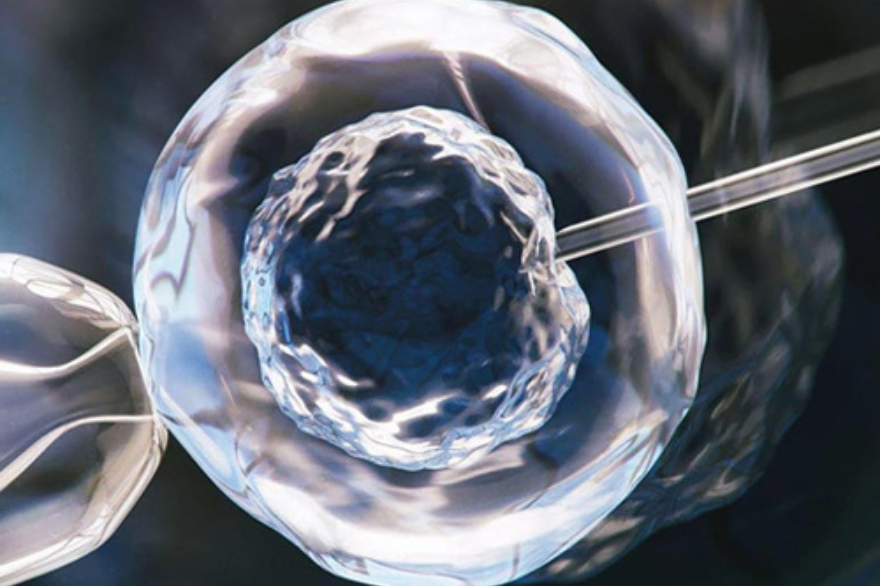
Laser Assisted Hatching
Laser-Assisted Hatching (LAH) is an advanced micromanipulation technique used in In Vitro Fertilization (IVF) to enhance embryo implantation.
During natural conception, an embryo must break out of its outer shell, known as the zona pellucida, to implant in the uterus. Sometimes, the zona is thicker or harder, making implantation difficult.
In LAH, a precise laser beam is used to create a small opening in the zona pellucida, helping the embryo “hatch” and attach to the uterine lining, improving the chances of pregnancy.
When is LAH Recommended?
Our fertility experts at Padmini IVF may recommend Laser-Assisted Hatching in the following cases:
- Women aged 35 years or older
- Previous failed IVF cycles
- Poor embryo implantation history
- Thick or hardened zona pellucida observed in the lab
- Frozen-thawed embryos, which sometimes have a harder shell
- Couples with unexplained infertility
Step-by-Step Process of LAH
1. Embryo Development in IVF Lab
- Eggs are fertilized in our IVF lab and monitored until the embryo reaches the cleavage or blastocyst stage
2. Laser-Assisted Micromanipulation
- Using a highly precise laser, a small opening is made in the zona pellucida without damaging the embryo.
- The procedure is quick, safe, and performed under a microscope by trained embryologists.
3. Embryo Transfer
- The hatched embryo is then transferred into the woman’s uterus for implantation.
4. Post-Procedure Care
- Standard IVF follow-up and supportive medication are continued to assist implantation.
Benefits of Laser-Assisted Hatching
- Enhanced implantation rate for suitable candidates
- Safe and precise, with minimal handling of embryos
- Increases pregnancy chances in older women and those with previous IVF failures
- Ideal for frozen-thawed embryos with harder shells
Why Choose Padmini IVF for LAH?
- State-of-the-art IVF Laboratory with advanced laser hatching equipment
- Experienced embryologists trained in micromanipulation techniques
- High safety standards following ICMR and international IVF guidelines
- Personalized treatment plans for couples needing advanced fertility solutions
Frequently Asked Questions
Is Laser-Assisted Hatching safe?
Yes, LAH is considered safe when performed by skilled embryologists. It does not harm the embryo.
Does LAH guarantee pregnancy?
No fertility treatment can guarantee pregnancy, but LAH can significantly improve implantation chances in selected patients.
Will every embryo need LAH?
No. LAH is done only when recommended by fertility specialists after evaluating embryo quality and patient history.
Is the procedure painful?
No. LAH is performed on embryos in the lab; the patient feels no pain.